Ornate Wrought Iron Gate Fence Vector
First Impressions: Elegance with Structural Integrity
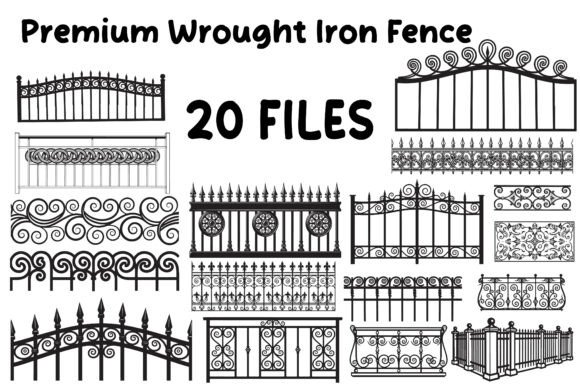
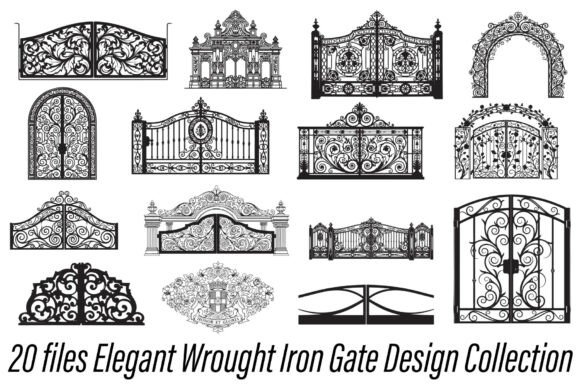
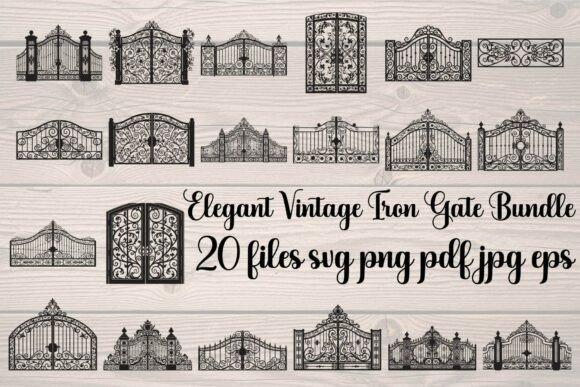
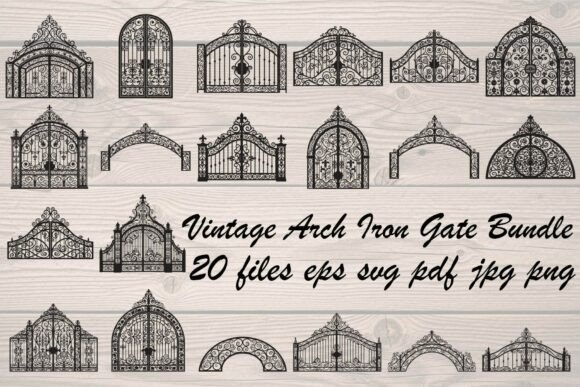
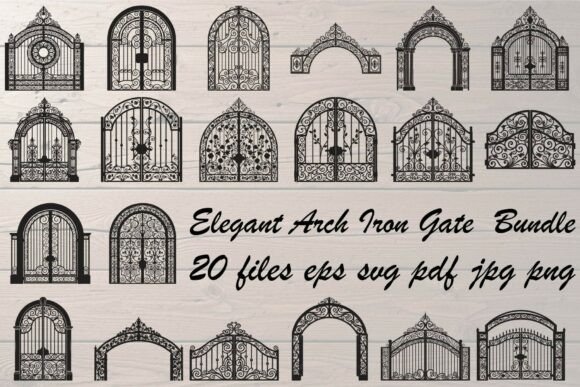
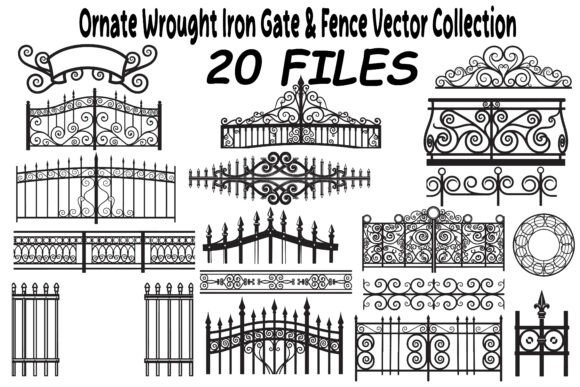
When I opened the Ornate Wrought Iron Gate Fence Vector for the first time, I didn’t see just another decorative graphic—I saw a mood. It’s architectural, romantic, and quietly authoritative. The swirls are tight but not fussy; the scrolls have weight and rhythm; the vertical bars carry consistent thickness without looking rigid. This isn’t “vintage” as a trend—it’s vintage as vocabulary. It reads like ironwork you’d find on a Charleston courtyard gate or a Parisian balcony railing: intentional, balanced, and built to last.
I immediately pictured it stitched onto a heavyweight linen tea towel for a bridal shower gift—something tactile, heirloom-adjacent, and quietly luxurious. That’s where this design earns its keep: in projects where craftsmanship is part of the story.
How It Translates to Real Embroidery Projects
I tested Ornate Wrought Iron Gate Fence Vector across three real-world uses: a custom embroidered tote bag (cotton canvas, medium-weight), a baby onesie (soft cotton jersey), and a patch for a denim apron. Each revealed something different—and each confirmed that this vector isn’t just *pretty*; it’s *purpose-built* for translation into stitch.
On the tote bag, the clean lines held up beautifully with satin stitch borders and dense fill stitch in the heavier scroll sections. Customers responded strongly to the visual weight—the design felt substantial, not like filler. On the onesie, I scaled it down 30% and simplified inner details manually (removing tiny interior loops). Even reduced, it kept its character: delicate but legible, elegant but not fragile. And on the denim apron patch? It anchored the whole piece—no competing elements needed. Just one strong, centered motif that said “artisan-made” before the customer even read the label.
This design shines in boutique branding, wedding-related embroidery (think monogrammed guest towels or napkin corners), nursery decor (framed hoop art or crib bumper accents), and personalized holiday gifts—especially for homeowners, architects, or historic home lovers. It also works surprisingly well as a subtle background motif in digital embroidery files used for printable mockups—its vector clarity means crisp scaling at any size.
Where to Use It Thoughtfully
Like all ornamental ironwork, Ornate Wrought Iron Gate Fence Vector demands respect for context. It’s not ideal for ultra-small hoop sizes (<3" diameter) without thoughtful editing—those fine interior curls won’t resolve cleanly in under 15mm of stitching space. On stretchy fabric like knits or thin jersey, use cutaway stabilizer generously and reduce stitch density slightly to avoid puckering around tight curves.
Dark fabrics call for high-contrast thread colors—navy or charcoal thread on black fabric will vanish. I recommend testing in black-and-white mockups first to confirm silhouette strength. On curved surfaces (caps, curved pillow covers), avoid placing the most intricate central scroll directly over the seam or crown—it’s better centered on a flat plane.
Also worth noting: this isn’t a standalone machine embroidery design out of the box. As an Illustration and Graphics bundle, it’s a vector foundation—not a pre-digitized embroidery file. You’ll need to digitize it yourself or work with a digitizer who understands how wrought iron motifs behave in stitch: where to use running stitch for thin bars, satin stitch for smooth curves, and fill stitch for solid anchors. Don’t skip test runs on scrap fabric—especially if you’re planning commercial embroidery or Etsy listings.
What It Adds to Your Finished Product—Beyond Aesthetics
There’s a quiet confidence in using Ornate Wrought Iron Gate Fence Vector. It elevates perceived value instantly—not because it’s flashy, but because it signals intention. Customers recognize craftsmanship when they see consistent line weight, balanced negative space, and structural logic. That translates directly to higher price tolerance, stronger brand consistency, and repeat engagement from buyers who return for “that same refined look.”
For Etsy sellers and small shop owners, it’s a versatile anchor design: pair it with a simple monogram for personalized gifts, layer it behind script fonts for wedding stationery embroidery, or isolate one scroll element as a standalone accent on a kitchen towel corner. Its versatility doesn’t dilute its voice—it deepens it.
Practical Designer Notes Before You Stitch
- Always test on scrap fabric first—especially with textured or dark materials.
- Check thread color contrast early; metallic or matte threads change the mood dramatically.
- Review stitch density in tight scroll areas—over-stitching causes stiffness and thread breakage.
- Confirm hoop size requirements before digitizing; some gates span wider than standard hoops.
- Inspect small interior details—they may need manual simplification for baby embroidery or caps.
- Test in black-and-white mockups to verify silhouette strength at your intended scale.
- Compare light and dark fabric backgrounds—this design relies on shape, not color.
- Use proper stabilizer: cutaway for knits, tear-away for stable wovens, no-show for lightweight linens.
- Verify licensing before selling finished products or digital embroidery files—vector assets vary widely in commercial use rights.
Final Thought: A Design That Earns Its Place
Ornate Wrought Iron Gate Fence Vector isn’t background noise. It’s a statement made in line and curve—meant for handmade products where every detail matters. Whether you’re embroidering a custom sweatshirt for a historic neighborhood festival, designing a premium embroidered patch for a craft fair booth, or building a cohesive digital product suite for creative entrepreneurs, this collection gives you architectural integrity, timeless appeal, and real-world flexibility. Just remember: vectors don’t stitch themselves. Respect the detail, honor the fabric, and let the ironwork speak for you.